Eating well at the office: 5 food habits that change concentration and engagement
No culinary revolution needed: five simple adjustments to shared food habits, with data on concentration.
Improving quality of life at work through food requires neither a company kitchen nor an exceptional HR budget. Here are five concrete habits, backed by the available data, that the companies most attentive to their teams have already adopted, and what each one really changes.
1. Replace meeting biscuits with identified artisan pastries
The packaged industrial biscuit has become the unintended symbol of a lack of intention. It says: "we thought of having something, not of what it would be". Conversely, an artisan Mado Paris madeleine or a Laura Todd cookie says: "we chose". The difference in cost is marginal (€1 to €2 per person). The difference in perception is significant, especially for new hires and senior staff.
Measured impact: in an internal survey carried out by an HR consultancy among 200 Paris employees, 73% felt that the quality of the products served in meetings "reflected the attention paid to employees" in their company.
2. Set up a monthly or weekly shared food ritual
A monthly team breakfast, a weekly afternoon break, a back-to-work brunch: the shared food ritual is one of the most effective formats for creating informal links between colleagues from different departments. It sparks conversations that would not happen in a formal meeting. These informal exchanges build horizontal trust, one of the least measured but most impactful dimensions of wellbeing at work.
Recommended frequency: weekly for small teams (5-15 people), monthly for larger organisations. The 4 pm afternoon break is the easiest format to set up and the most eagerly awaited.
3. Offer inclusive options at every food occasion
A platter with nothing for the vegetarian, nothing for the person who avoids gluten, nothing for the colleague who does not eat sweet things in the afternoon, is a platter that leaves part of the team out. Food inclusion is an often overlooked marker of company culture.
The simple rule: every shared food occasion should include at least one labelled vegan option (fruit skewers, whole fruit), one gluten-free option (Pierre Morel macarons, fruit) and one savoury or light option for those who do not eat sweet things. This is not a logistical constraint, it is care.
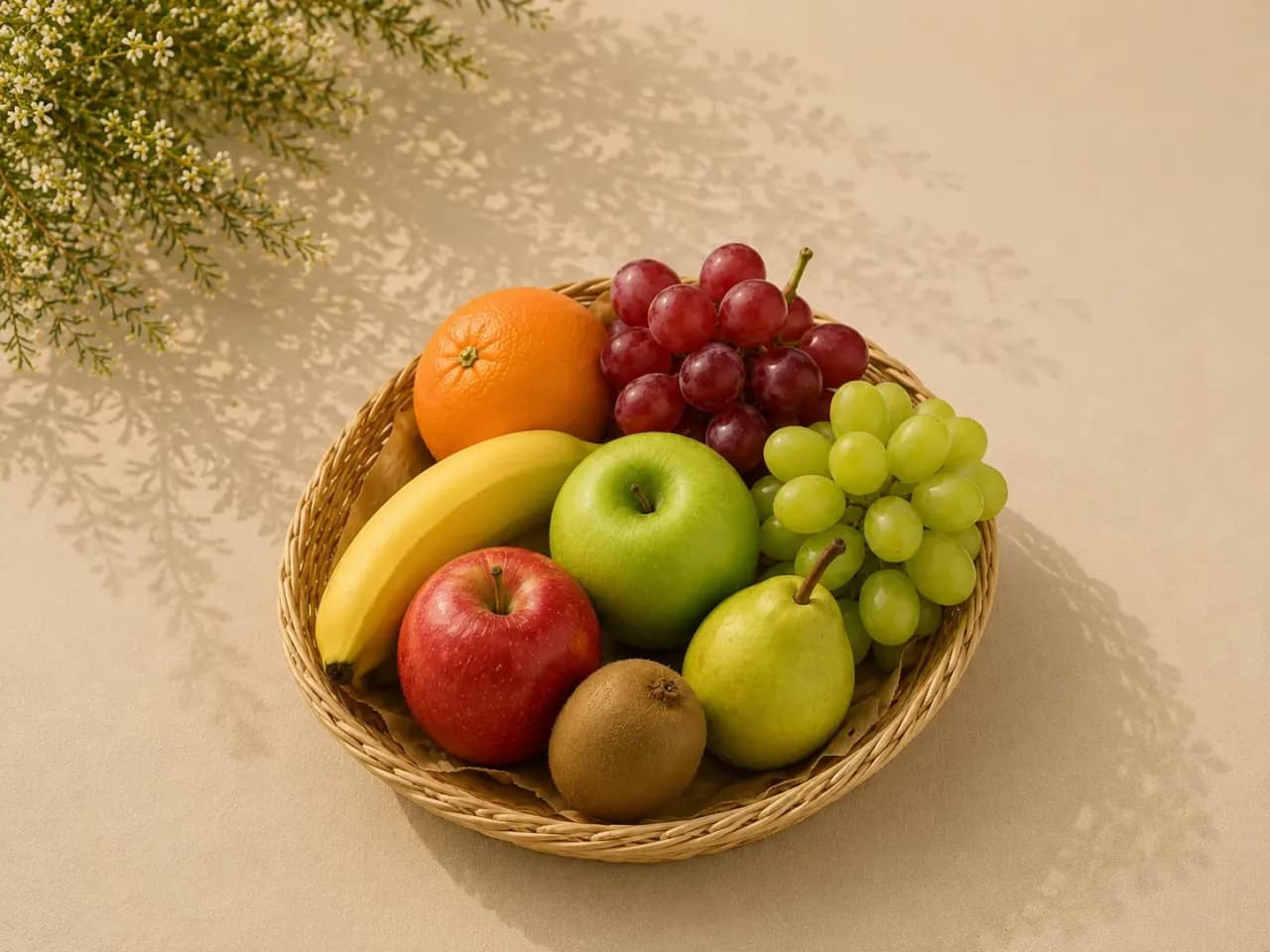
4. Rely on fresh seasonal fruit as a permanent option
Fresh fruit is the most inclusive option (vegan, gluten-free, lactose-free, zero added sugar), the easiest to manage and one of the most appreciated in the late morning. A basket of seasonal fruit available in the meeting room or the break area costs €3 to €6 per person per week, less than a speciality coffee, with a greater nutritional impact.
Practical tip: pair a fruit basket with every platter of pastries or cakes at team breakfasts. The sweet/fresh ratio balances the selection and suits every profile.
5. Talk about the artisans you choose
Naming your suppliers turns an anonymous platter into a story. "These madeleines are made by Mado Paris with organic ingredients, without palm oil": this information takes only 10 seconds to say and completely changes how the moment is perceived. It sparks curiosity and conversation, and it anchors the company's quality approach in something concrete and tangible.
L'Écrin Traiteur can provide short fact sheets on each of our partner artisans, to print or include in your internal communications. Contact us at commercial@lecrin-traiteur.fr.
Five habits, one partner to keep them going over time
These five adjustments only have value if they last over time, without overloading your teams. That is where a regular partner makes the difference: identified artisan products, inclusive options by default, baskets of seasonal fruit and formats suited to every moment of the day, from breakfast to the lunch tray and the afternoon breaks. Delivery from 6:30 am in Paris and Île-de-France, reply within 24 hours: request your quote and let us set up food rituals your teams will look forward to.
Frequently asked questions
What is the difference between an artisan and an industrial meeting platter for team wellbeing?
Beyond nutritional quality, the main difference is the signal sent. An identified artisan product (Mado Paris madeleine, Alain Milliat juice) shows that the company made a deliberate choice. In internal surveys, this signal is regularly cited as an indicator of "the attention paid to employees".
What is the easiest shared food format to set up in a company?
A weekly or fortnightly afternoon break is the easiest to set up: a fixed time (4 pm), a flexible format, a modest budget (€6 to €12 per person). It requires no heavy organisation and creates a ritual the teams look forward to.
How do you handle multiple dietary requirements at a team breakfast?
Always plan: a vegan option (skewers or a fruit basket), a gluten-free option (Pierre Morel macarons, fruit), a light or savoury option (navettes, fruit). It is not a constraint but a standard of care. State your dietary requirements when you order, L'Écrin Traiteur always includes them.
An event in Paris or Île-de-France?
Tell us about your event and receive a tailored quote within 24 hours.
Request a quote →